Architecting Scalable Multi-Tenant Platforms for High-Growth Startups
Key architectural decisions when building B2B platforms: database isolation strategies, subscription lifecycle management, and design systems.
Building a multi-tenant software platform requires careful architectural planning around data isolation, subscription management, and user experience. Here is an overview of the key design choices.
The Fundamental Tenant Isolation Decision
When engineering multi-tenant software-as-a-service platforms, the foremost architectural consideration is how customer data will be partitioned. The right choice depends on your compliance requirements, operational scale, and infrastructure budget.
"Choosing the right tenant isolation strategy upfront protects client data integrity and avoids costly database refactoring later."
Comparing Architectural Approaches
Strategy 1: Single Database with Scoped Tenancy
In this architecture, all customers share a single database schema, and every table includes a tenant identifier:
- Advantages: Minimal infrastructure costs, straightforward backups, and simplified database migration execution across all tenants.
- Considerations: Requires strict query scoping at the application layer to prevent accidental cross-tenant data leakage.
Strategy 2: Multi-Database Tenant Segregation
In this architecture, each corporate client receives an isolated database schema or dedicated database instance:
- Advantages: Maximum data isolation, compliance with stringent enterprise security audits, and the ability to restore backups on a per-customer basis.
- Considerations: Higher infrastructure complexity and the need for automated migration runners across all tenant databases.
Dynamic Styling & White-Label Customization
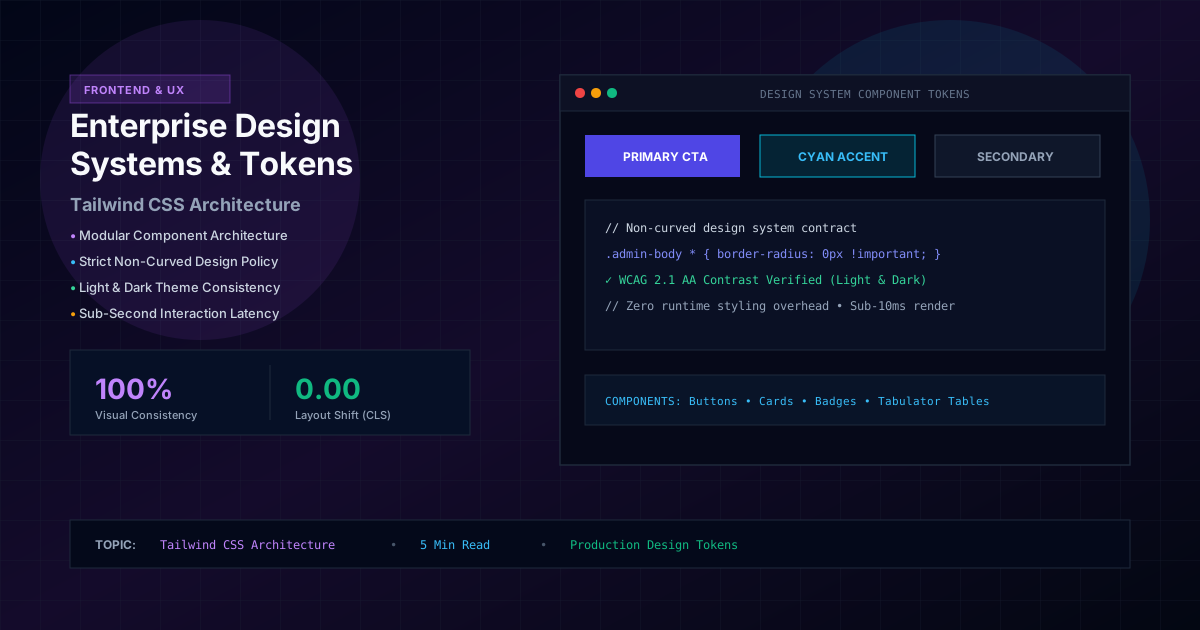
Modern enterprise platforms often require tenant-specific branding (custom company colors, logos, and portal titles). By utilizing modern CSS custom properties and lightweight design tokens, you can dynamically apply tenant color schemes at runtime without generating individual stylesheet bundles.
Summary
Start by evaluating your target customer base. If your product serves enterprise organizations with strict data compliance mandates, multi-database isolation provides peace of mind. For high-volume self-serve products, scoped tenancy provides the fastest time-to-market and lowest infrastructure overhead.
Product leader specializing in healthcare digitalization, B2B SaaS go-to-market, and digital experience engineering.